
How’s that done?
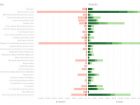
Last week’s item demonstrating the way that US FFIEC reports (published in XBRL) can be consumed and analysed got a lot of attention. But how is it done?
Following the publication of the Calculations 1.1 specification as an XBRL Recommendation last month, the XBRL International Best Practices Board this week approved new guidance on optimal processes for adopting Calculations 1.1.
The XBRL Standards Board has approved the publication of a Proposed Edited Recommendation of the Open Information Model suite of specifications, which includes the new xBRL-CSV and xBRL-JSON formats.
This week the XBRL International Board of Directors voted unanimously to finalise the Calculations 1.1 Specification and move it to Recommendation status.
This week XBRL International published new best practice guidance to help XBRL users select the most appropriate of the four formats to fit their needs. The guidance is aimed at data collectors, solution architects, and anyone looking to understand the differences between the XBRL formats.
There has never been a greater need for high quality, high utility digital reporting to drive better decision making. In 2023 the fragility of the global economy and the global environment are sharply in focus. Data Amplified features presentations, interactive sessions, and panels with expert speakers from around the world, together with substantive networking opportunities.
XBRL International is delighted to be able to announce that Data Amplified, the annual conference on the future of business reporting, will be held on 16 and 17 October 2023 in Zurich, Switzerland.
As we mentioned in December, we’e been making some improvements to the filings.xbrl.org website, known internally and informally as “fxo”. The new version provides enhanced functionality for navigating between filings, entities and filing authorities, and makes use of hashes to uniquely identify and trace filings, including where the same document has been filed to multiple authorities.
The XBRL Standards Board has approved a number of additional entries to the Link Role Registry, designed to enhance XBRL accounting taxonomies. The new additions enable taxonomies to convey additional properties, or structured information, about the accounting meaning of concepts and dimensions in the taxonomy.
We’re pleased to announce that Papirix from Reporting Estándar has been approved as XBRL Certified Software.